Wedding photography
Sangeet and garba in low light: settings, flash and stage lights
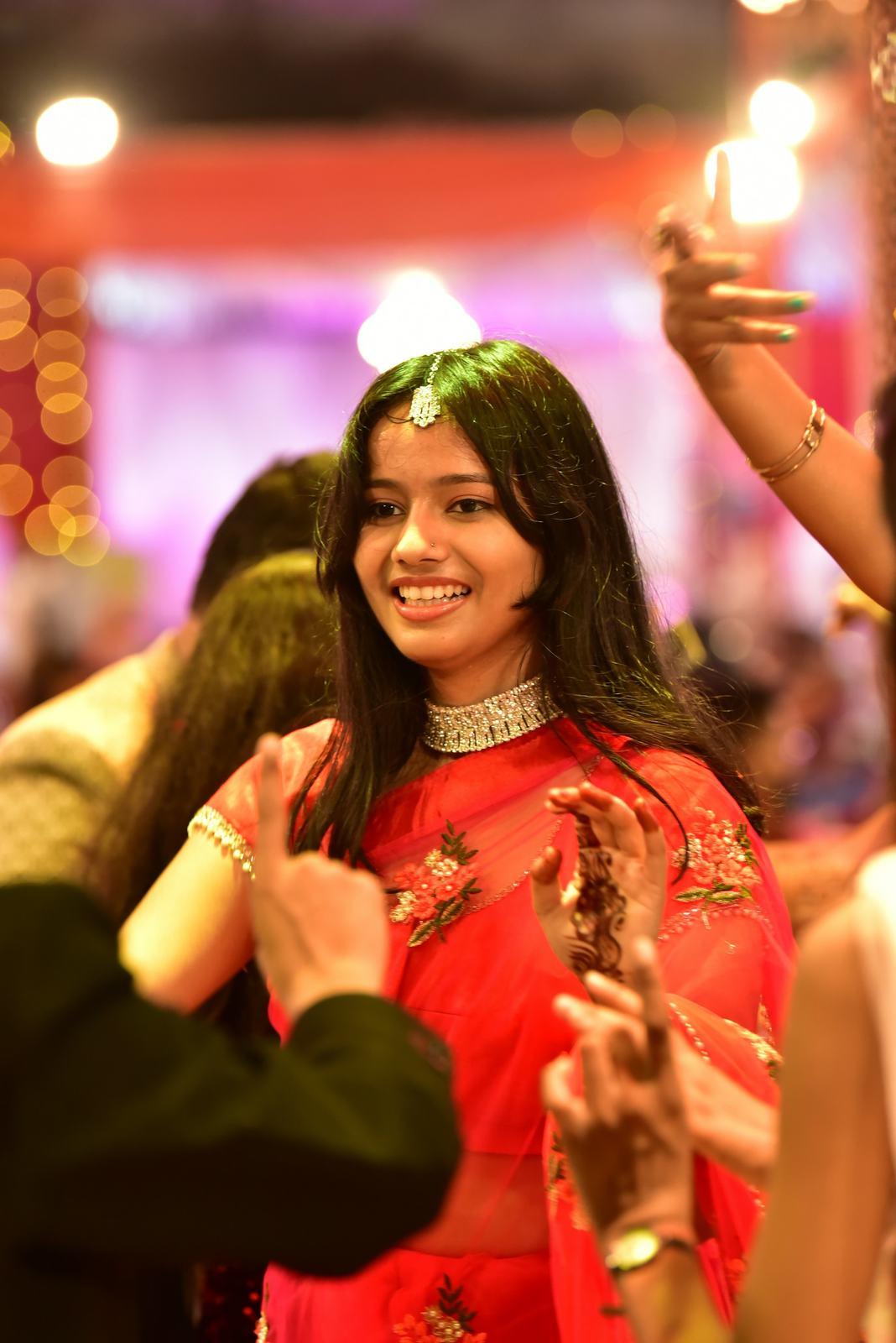
When we were testing early versions of our face recognition, there was one photo the team kept coming back to. A sangeet in Ahmedabad, the bride’s younger sister mid-performance, lit by a single magenta stage light, with haze from the smoke machine drifting across her face. Every one of us could tell who it was. The software couldn’t.
That photo, and a few thousand like it, is why I think about sangeet nights more than any other function. It’s the hardest night for the photographer, and it’s the hardest night for face matching. The two problems are more connected than you’d think.
This post is in two parts. First the shooting, which I’ve learned mostly by standing next to photographers who are much better at it than me. Then what happens to those photos once they’re uploaded.
Exposure: start with the face, not the stage
Banquet halls and lawns at night give you very little light, most of it coloured, most of it moving. A full-frame camera from the last five years handles ISO 6,400 well, and modern denoise tools clean up a lot more than they used to. So the old fear of high ISO is mostly gone. Motion blur on faces is the bigger enemy.
Here are starting points I’ve seen experienced photographers use. Treat them as a place to begin, not a rule:
| Situation | Shutter | Aperture | ISO | Notes |
|---|---|---|---|---|
| Stage performance, no flash | 1/250 | f/2–f/2.8 | 3,200–6,400 | Freeze dancers; expose for faces |
| Dance floor with bounced flash | 1/60–1/125 | f/4 | 1,600–3,200 | Drag the shutter to keep stage colour |
| Couple entry with cold pyros | 1/250 | f/2.8 | 1,600–3,200 | Sparks are bright; meter the couple |
| Garba circle, from above | 1/15–1/30 | f/5.6 | 800–1,600 | Pan or let the circle blur on purpose |
| Speeches and toasts | 1/160 | f/2.8 | 3,200 | Wait for the spotlight, then shoot |
The common thread: decide what must be sharp (almost always a face) and expose for it. Stage lights will fool your meter constantly. Spot or face-detect metering helps; so does checking the histogram after every lighting change.
Flash: bounce it, or don’t bother
Direct on-camera flash at a sangeet gives you flat white faces against a black background, and the coloured stage light that made the night feel like a party disappears.
Bouncing works better, but Indian banquet halls make it hard. Ceilings are often very high, dark, or covered in drapes and chandeliers. A few things photographers do:
- Bounce off a wall behind or beside you rather than the ceiling. A cream wall three metres away is a lovely big light source.
- Use a flag or bounce card on the flash to throw some light forward when there’s nothing to bounce off.
- Drag the shutter. Flash at 1/60 or slower lets the ambient colour show up behind and around your subject. The flash freezes the face; the slow shutter keeps the mood.
- Try rear-curtain sync on dancing. The motion trail falls behind the dancer instead of in front, which reads more naturally.
On stage performances, many photographers skip flash entirely. A flash going off every few seconds in front of a choreographed family dance is distracting for the performers and for the people filming on phones.
Stage lights, LED walls and cold pyros
Coloured washes
Most sangeets are lit with RGB LED washes cycling through magenta, blue and green. Skin under pure blue light has almost no colour information to recover. You can turn it monochrome in editing, but you can’t make it look like skin.
The best tip I ever heard came from a photographer in Vadodara: talk to the lighting vendor before the show. Ask for a warm white or amber wash during the couple’s performance and the family dances. Most lighting operators are happy to do it if you ask nicely and early. It changes everything.
LED walls
LED walls behind the stage are now standard. At fast shutter speeds they can show dark bands or scan lines, because the panels refresh at a rate your shutter can catch mid-cycle. If you see banding, slow down to 1/125 or 1/100 and check again. Some cameras have a flicker-reduction or high-frequency anti-flicker setting that helps.
The other issue is brightness. An LED wall is a big backlight. Expose for the faces in front of it and accept that the wall will go bright.
Cold pyros and haze
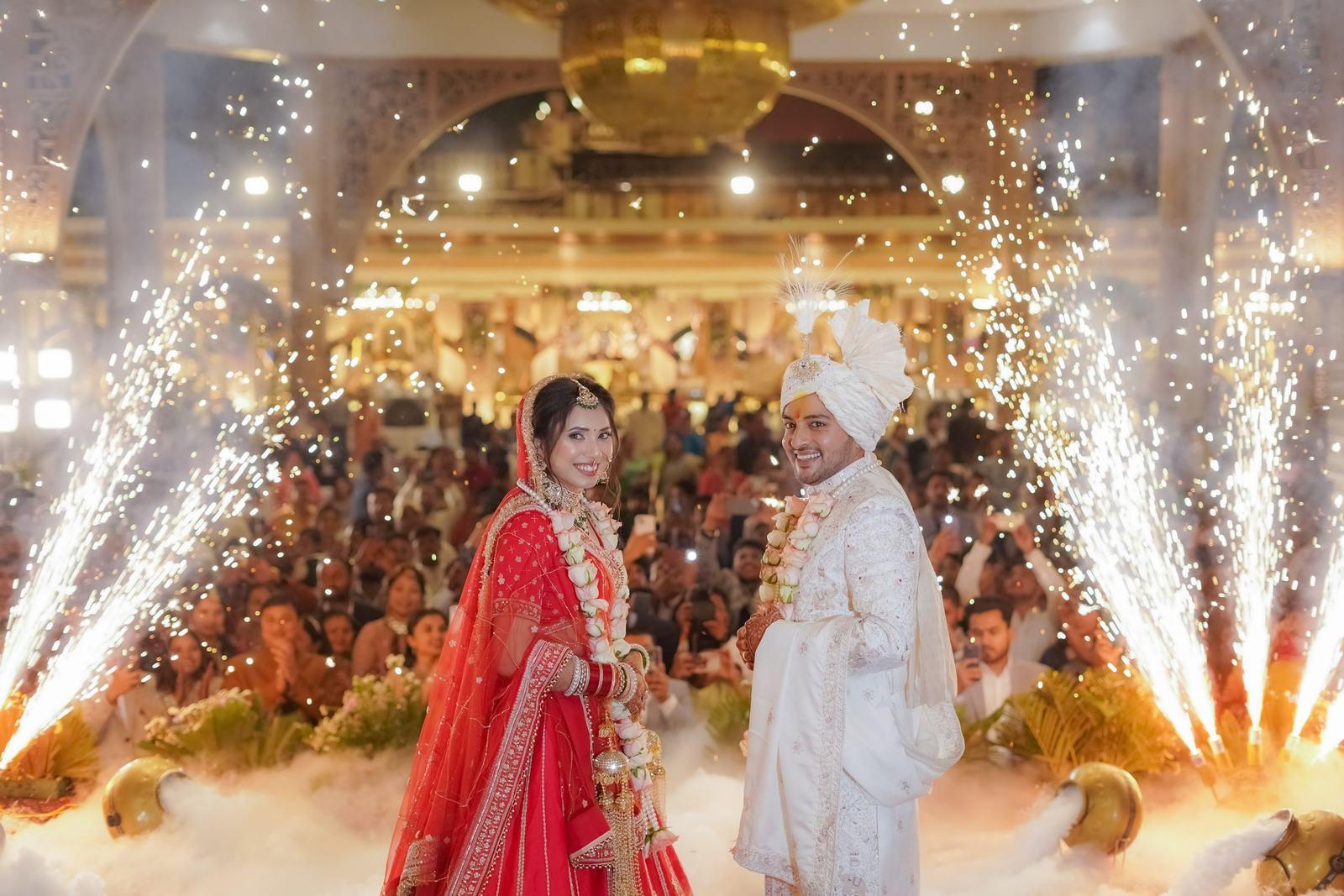
Cold pyro machines (the sparkler fountains at couple entries) are much brighter than anything else in the room. Meter for the couple, not the sparks. Shoot from low and in front, so the sparks frame them instead of covering them.
Haze and smoke soften everything. Sometimes beautifully. But a face behind a thick layer of haze loses contrast, and that matters later.
Dance performances: know the running order
Get the running order from the choreographer or the anchor before the sangeet starts. Knowing that the bride’s college friends are next, and that the groom’s parents have a surprise number in 20 minutes, lets you be in the right place before the music starts instead of pushing through the crowd during it.
Use continuous autofocus with face or eye detection, and shoot short bursts on the big moments: the lift, the spin, the final pose. And turn around sometimes. The reaction of the bride’s grandmother watching her granddaughter dance is often the better frame.
Garba and raas
At Gujarati weddings, the night often becomes garba. Big circles, constant movement, dandiyas everywhere. Two approaches that work:
- From a balcony or a chair, wide and slow. 1/15 at f/5.6 turns the circle into a swirl of colour with a few sharp faces near the centre.
- Inside the circle, close and fast. A 35 mm prime at 1/250, picking faces as they come past. You will get bumped. Hold the camera close.
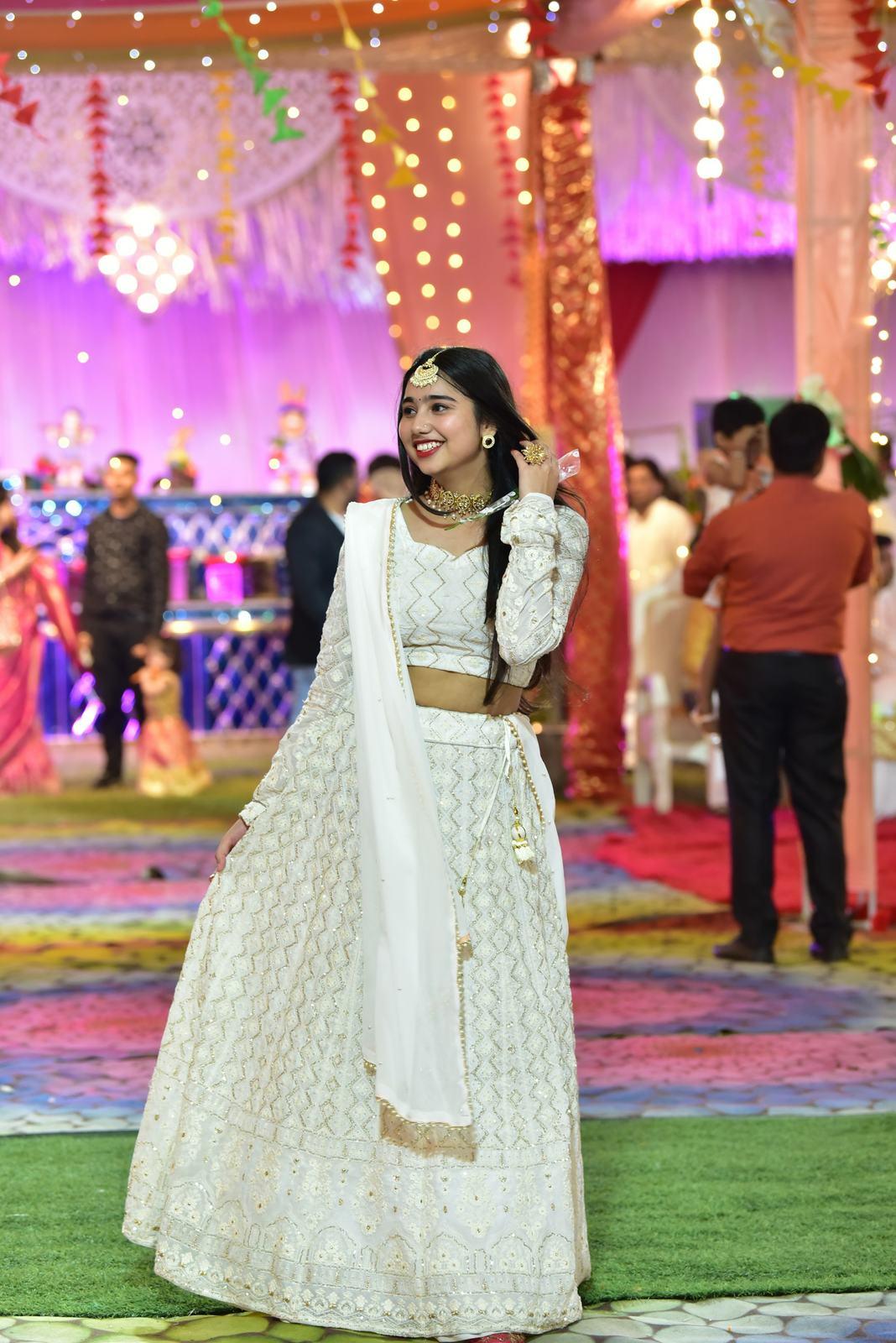
Why the sangeet is also the hardest night for face matching
Back to that photo of the bride’s sister in magenta haze.
Face recognition works by turning each face into a face template, which is a set of numbers describing the shape and features of a face, not a photo. When a guest takes a selfie, we make a template from it and compare it against the templates from every face in the wedding. The closer the numbers, the more likely it’s the same person.
Sangeet photos make that harder in four specific ways:
- Noise. High ISO adds grain that blurs fine features.
- Coloured light. Strong magenta or blue changes how a face looks in ways a daylight selfie doesn’t.
- Motion blur. A face that’s moving fast loses the detail the template depends on.
- Angles and haze. Dancers turn away, look down, spin. Haze lowers contrast.
We train our own models in-house, on real wedding and event photos, and those include plenty of dim, colourful sangeet frames. That’s why they hold up in dim light, side profiles, heavy jewellery and stage makeup. We measure accuracy at 99.99% on real wedding and event photos, and we run everything on our own servers with no third-party AI providers.
But I’d rather be honest about the edge. A face that is a purple blur in thick haze, turned 80 degrees away, is very hard to match, for software and for people. If your aunt couldn’t recognise her own son in that frame, the matching probably won’t either.
Try it yourself
Tap a guest’s selfie and watch SpotMe find them.
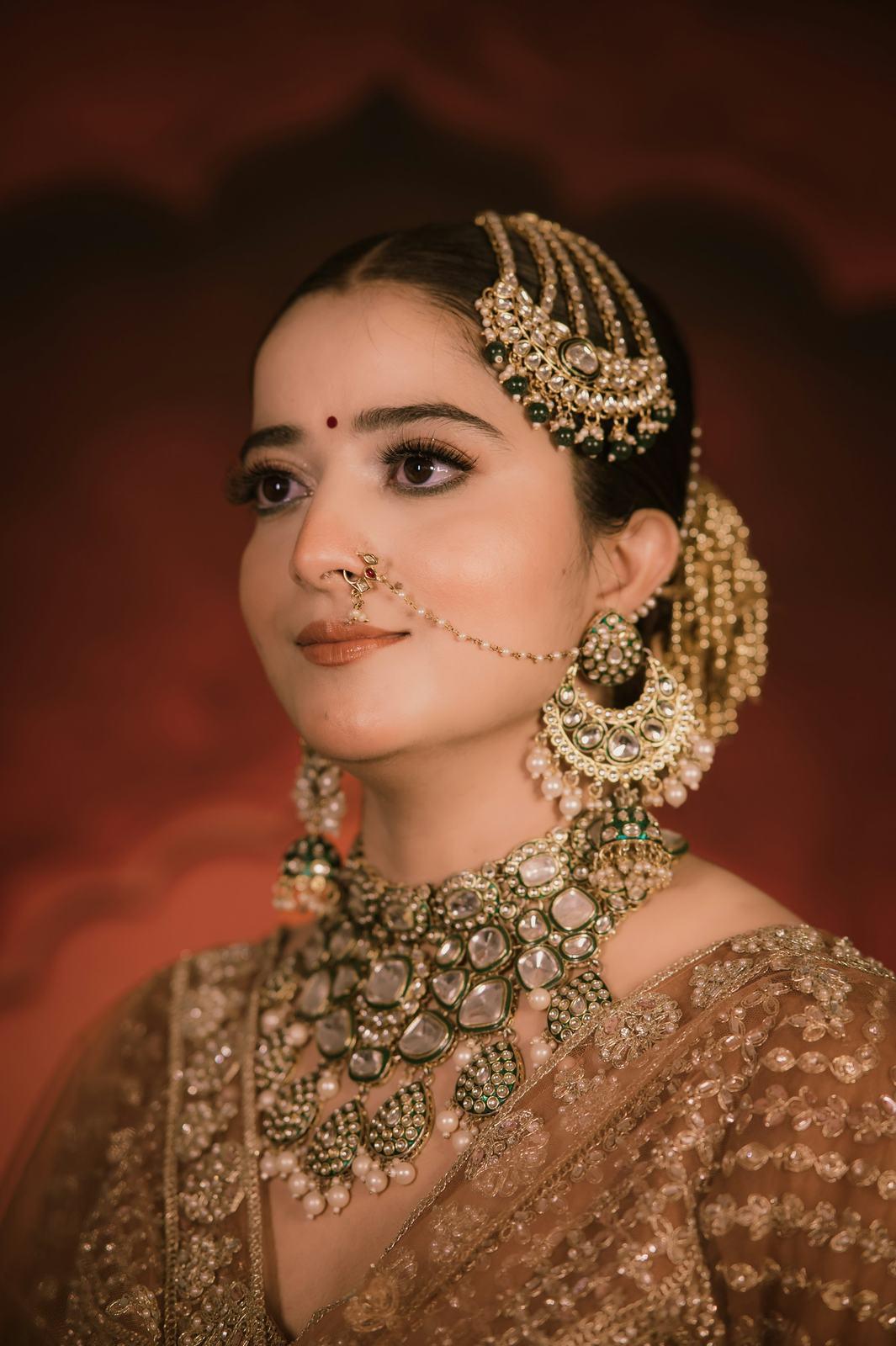
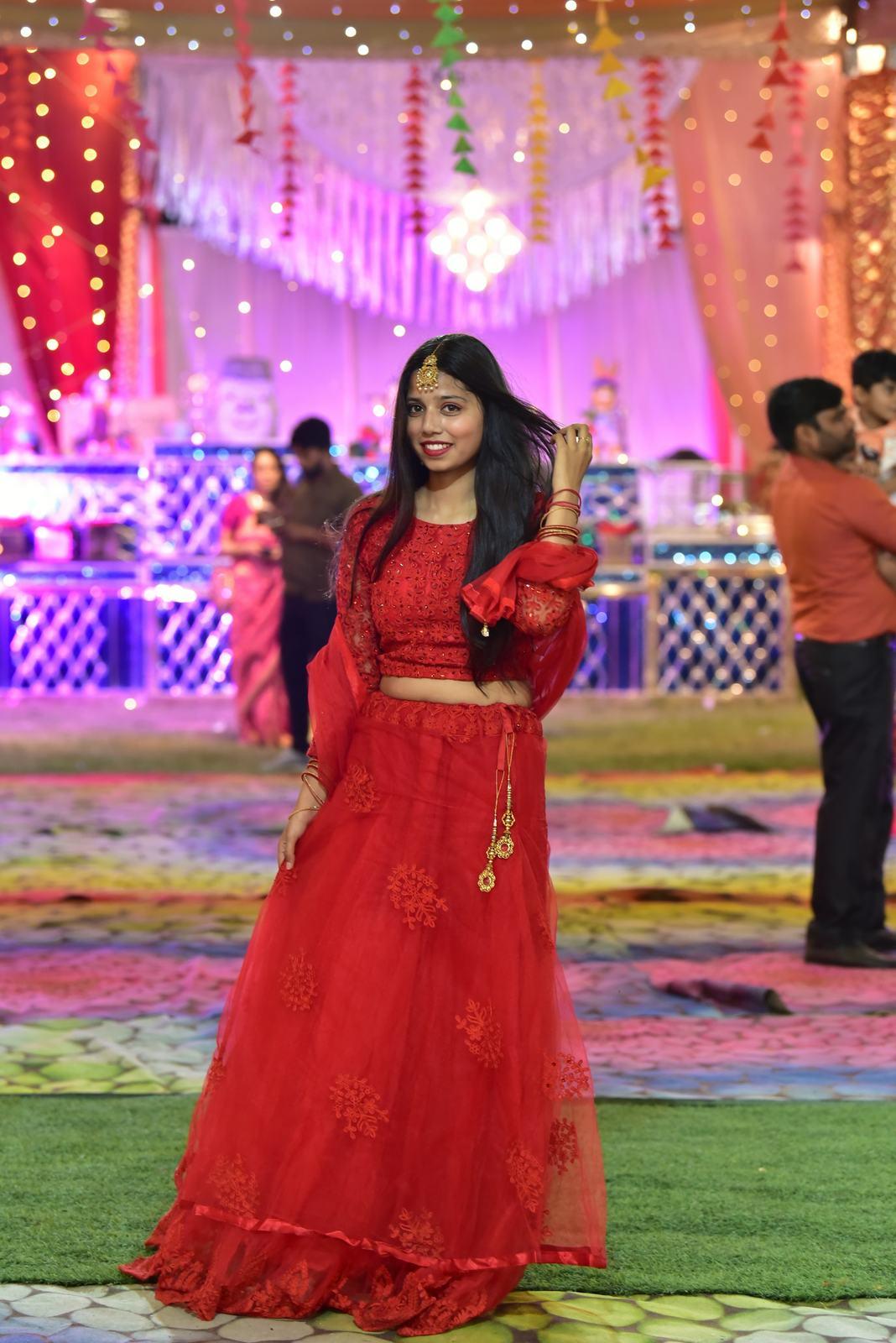
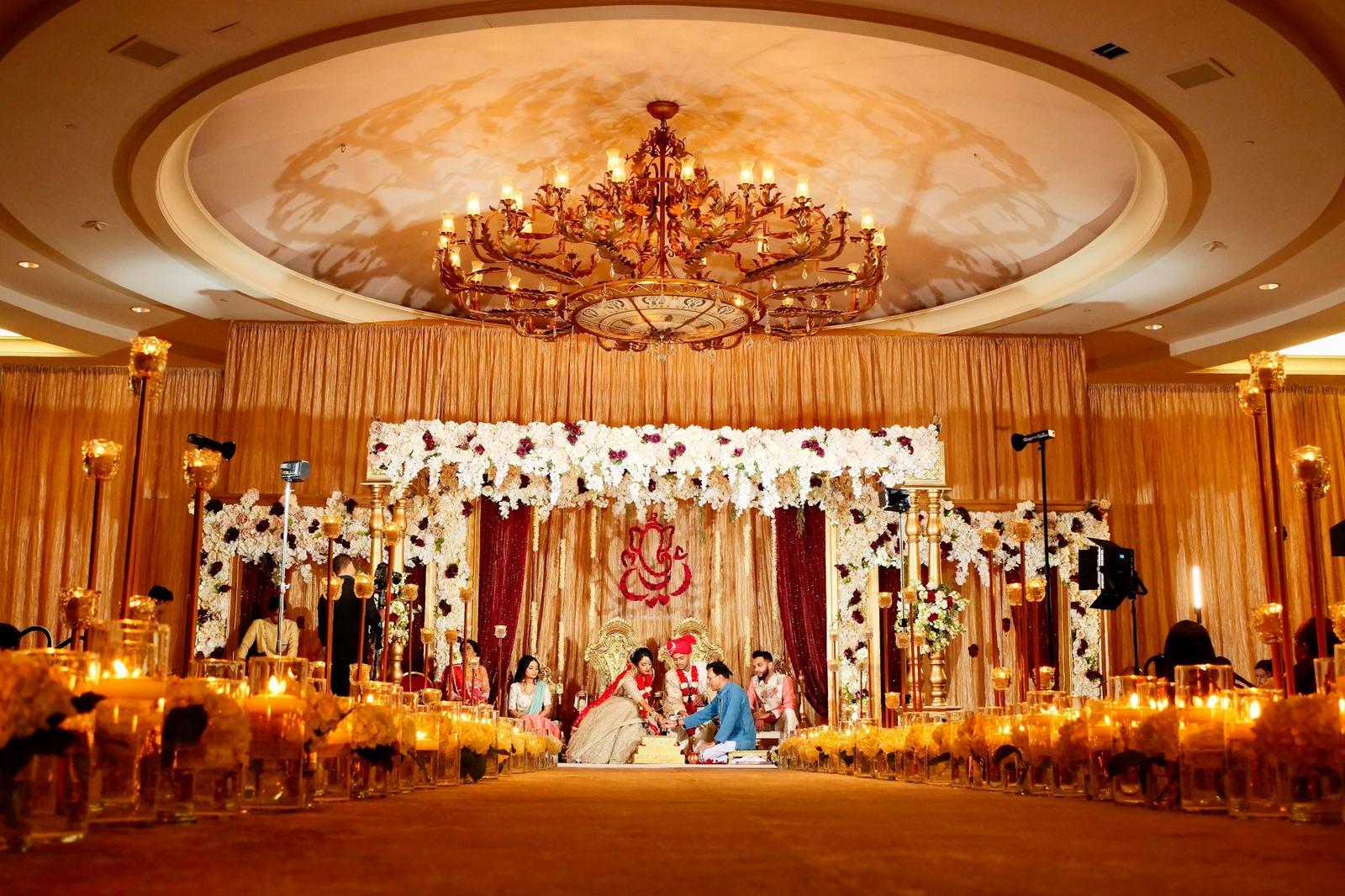
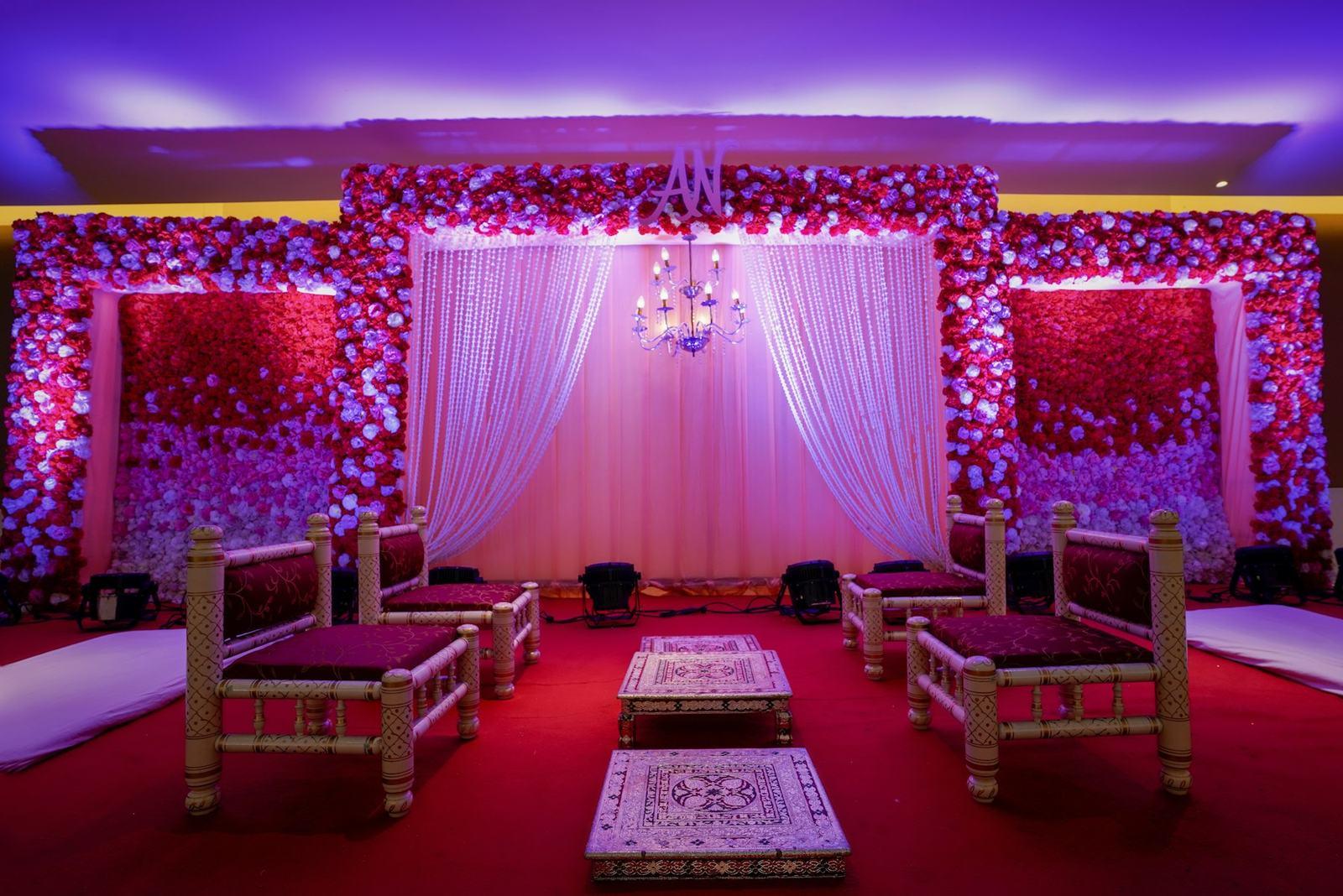
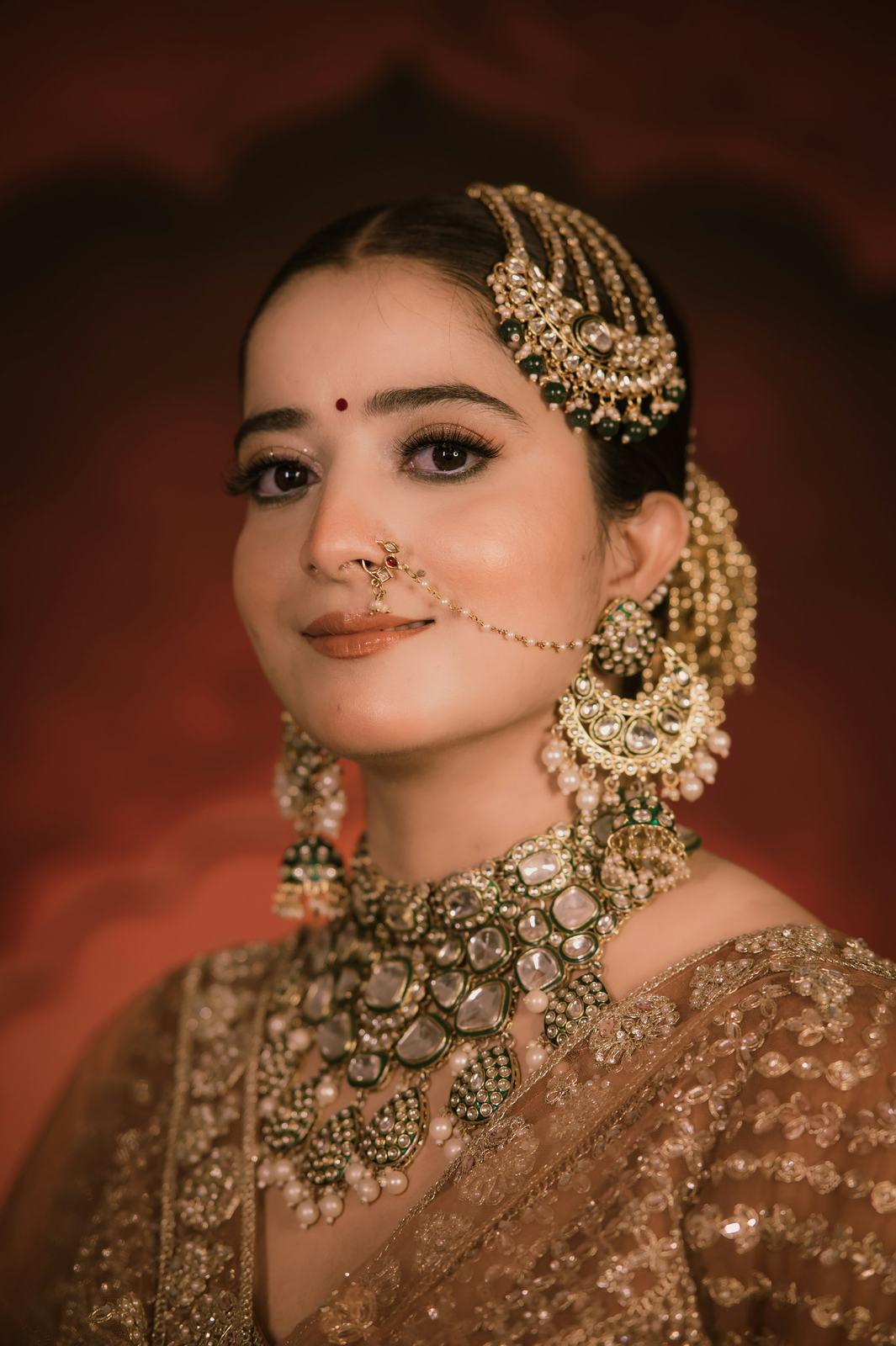
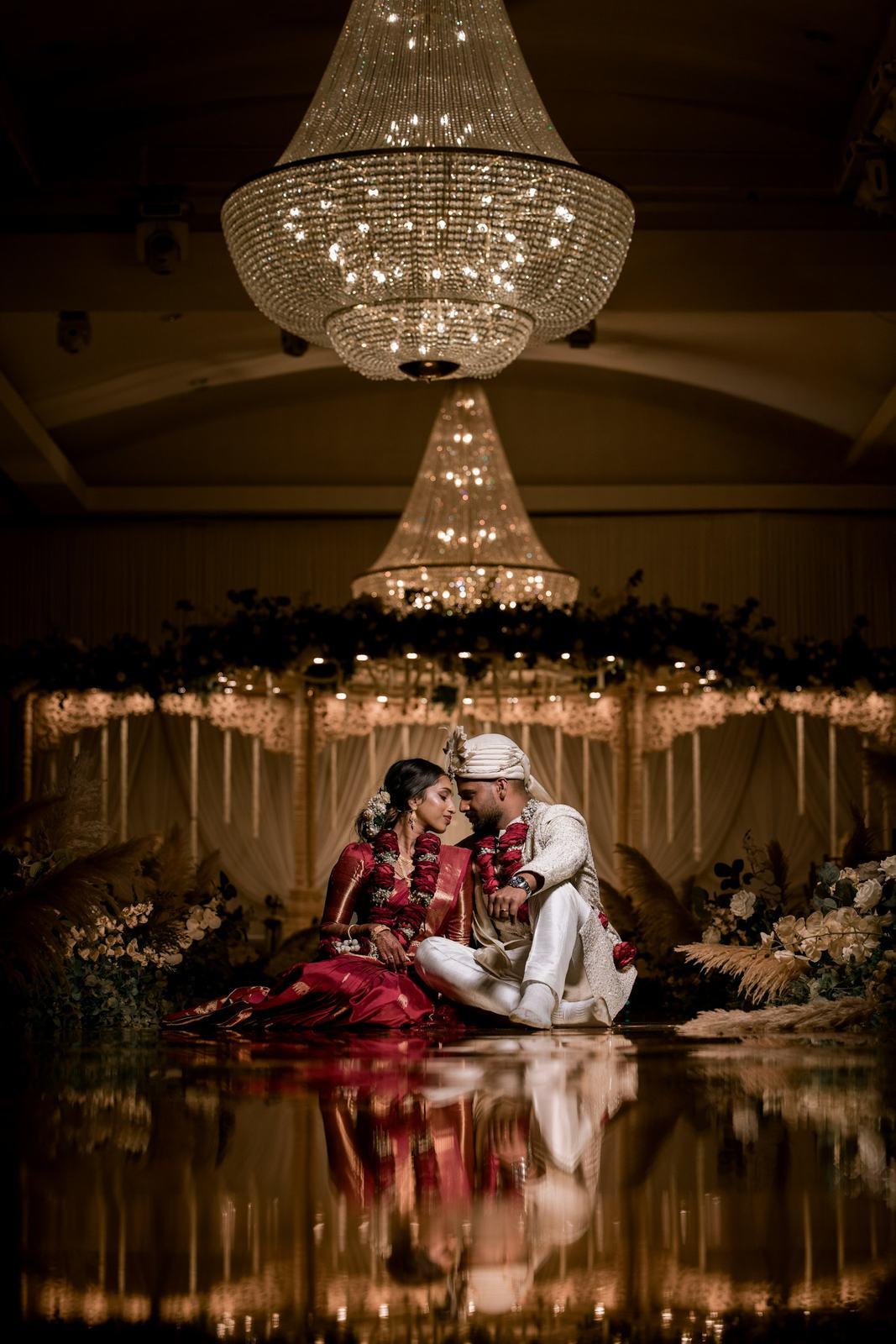
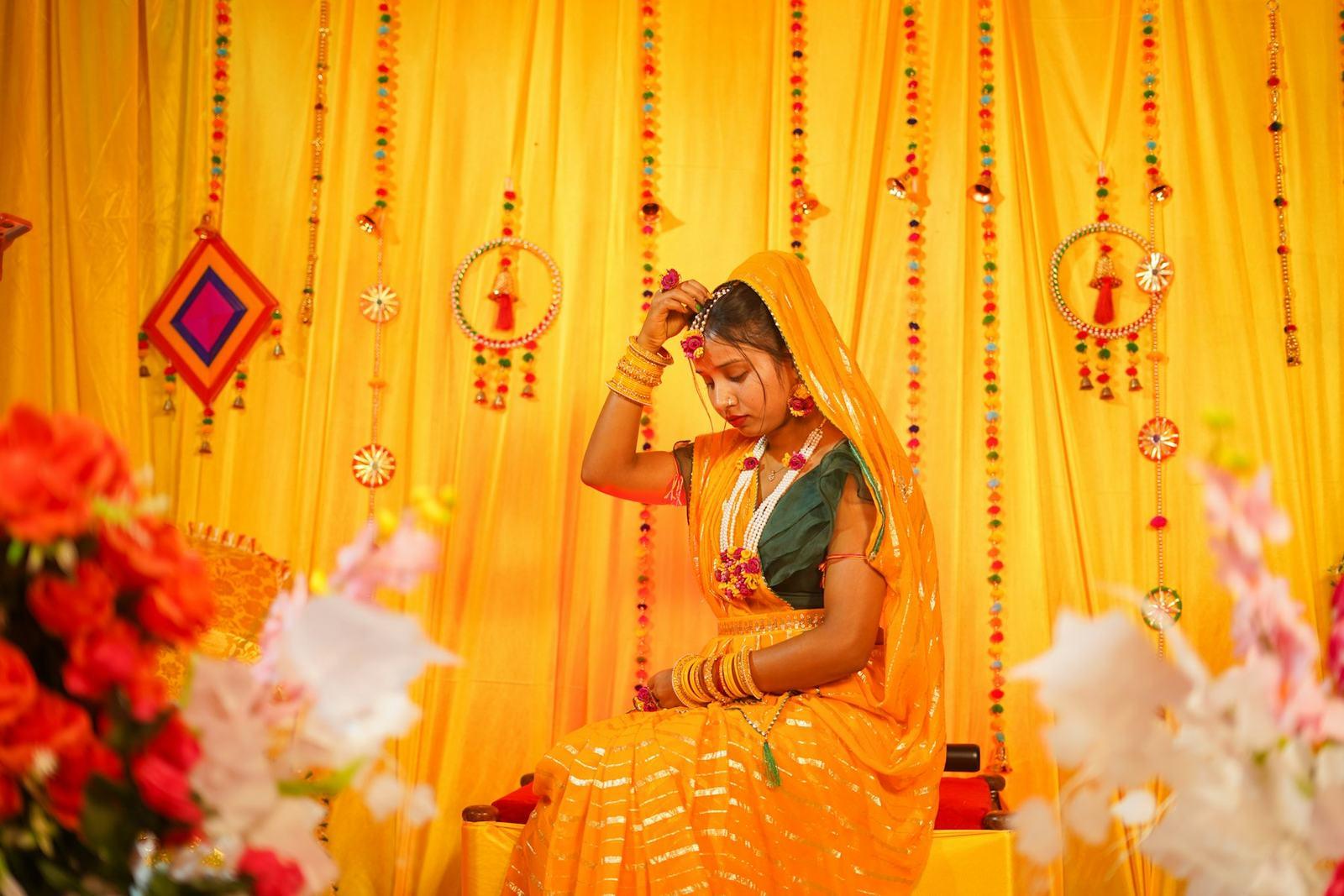
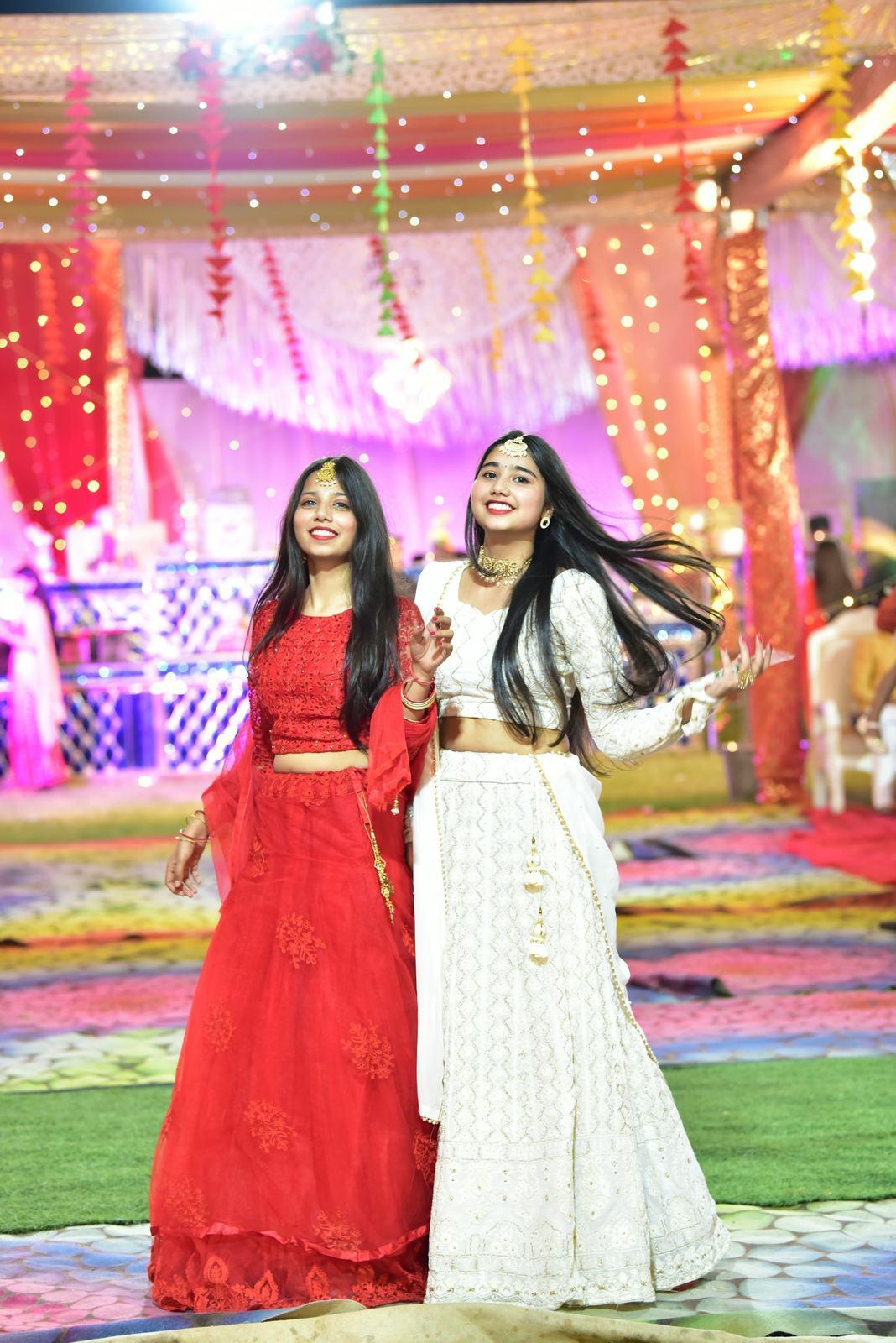
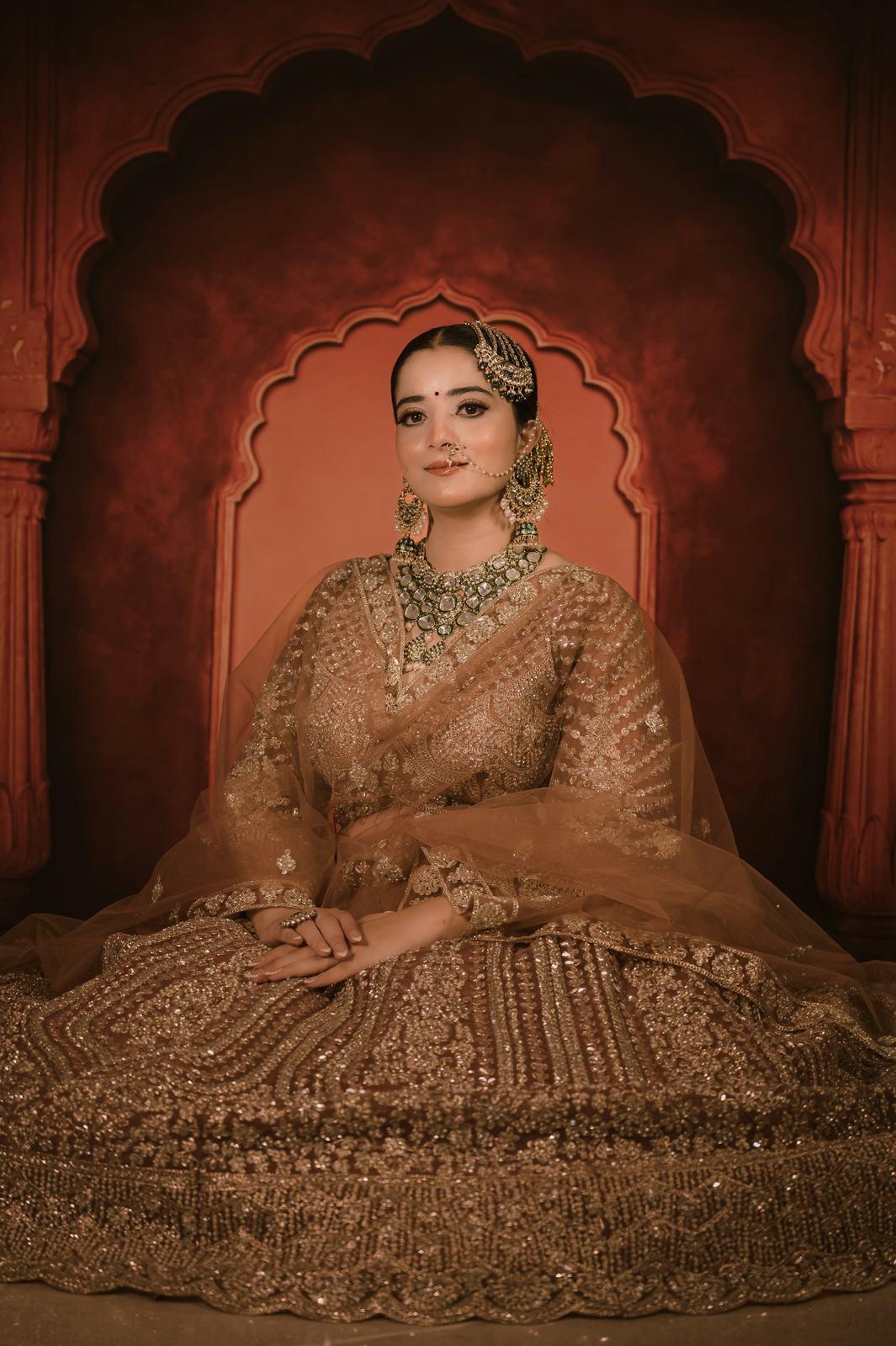
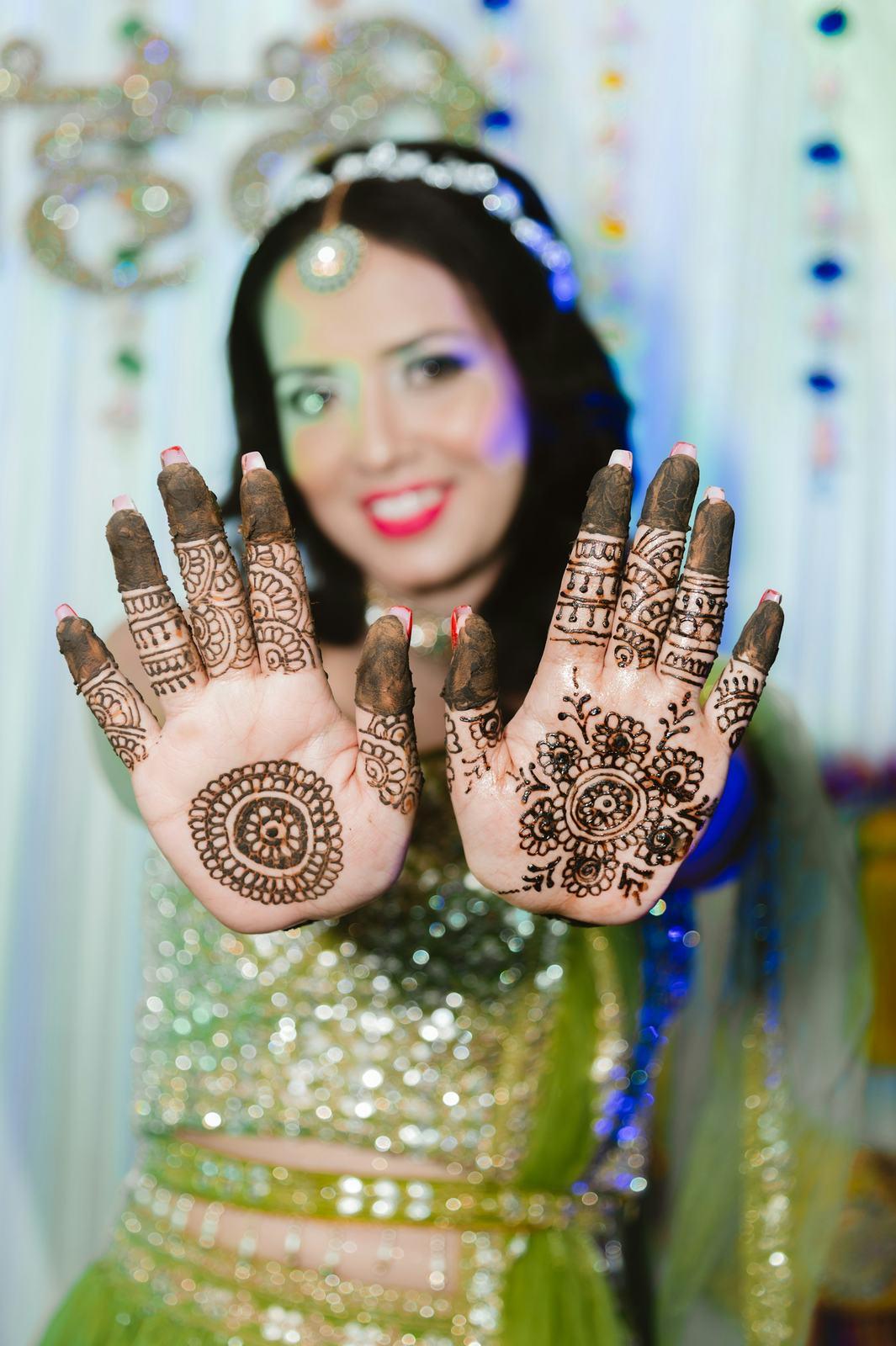
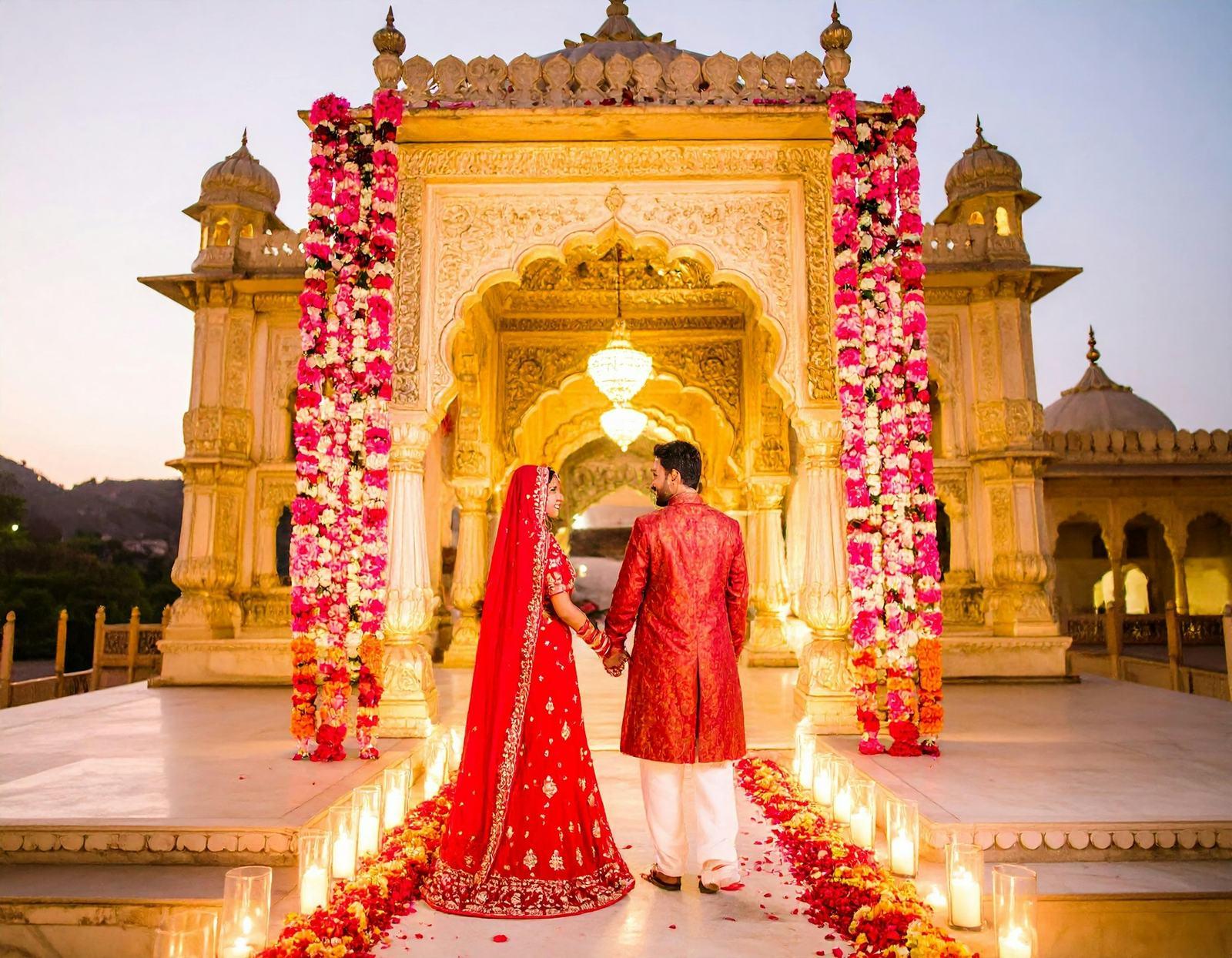
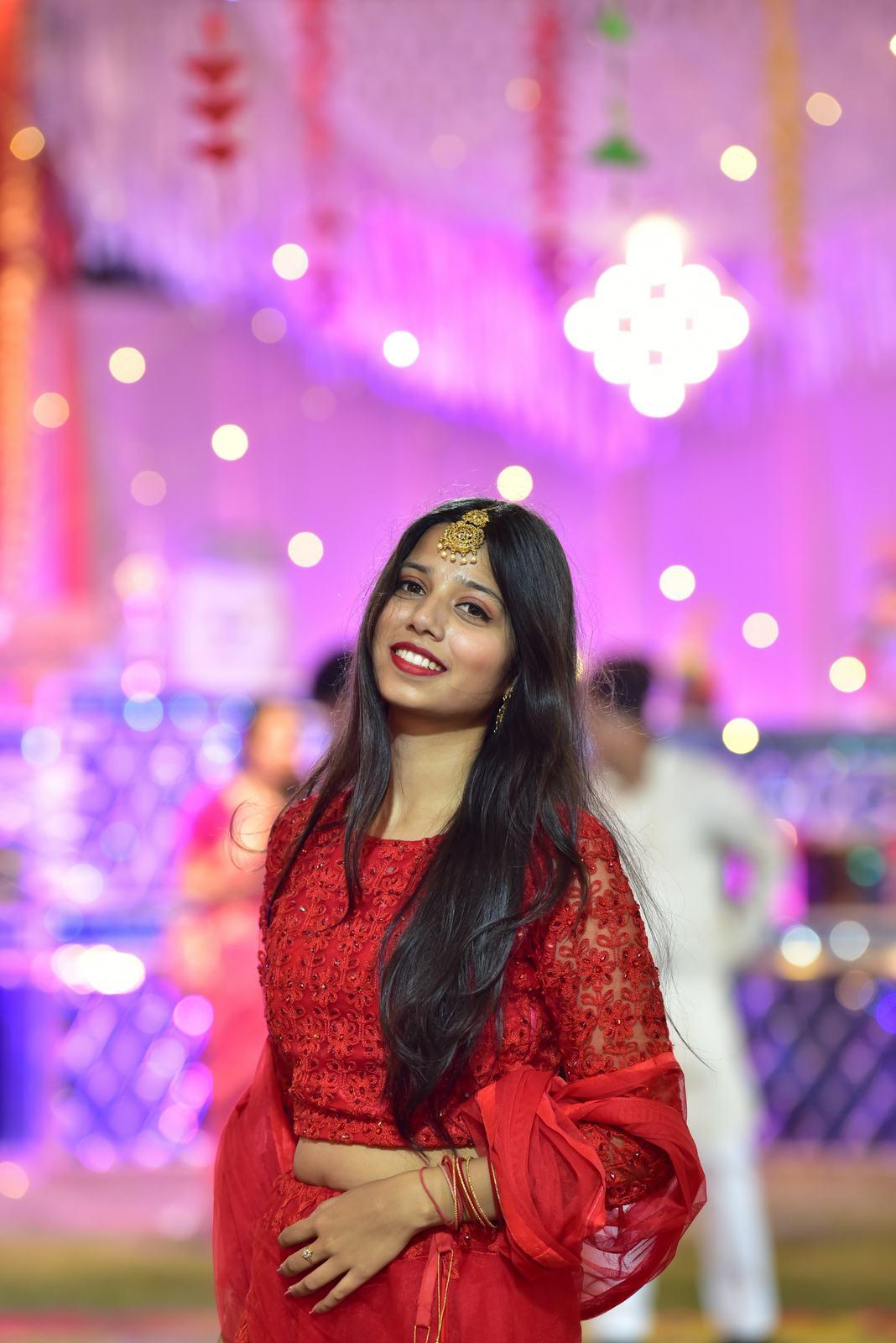
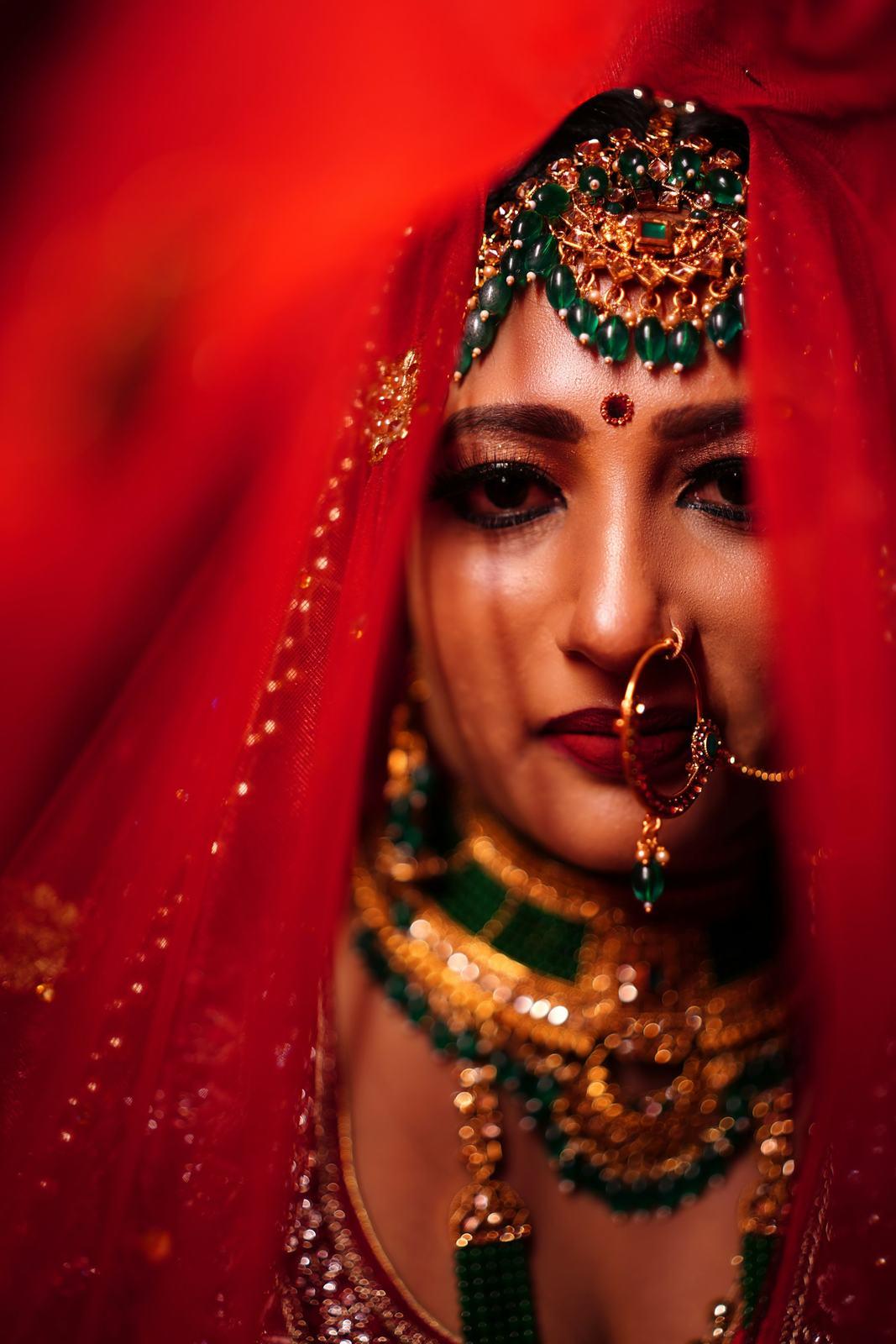
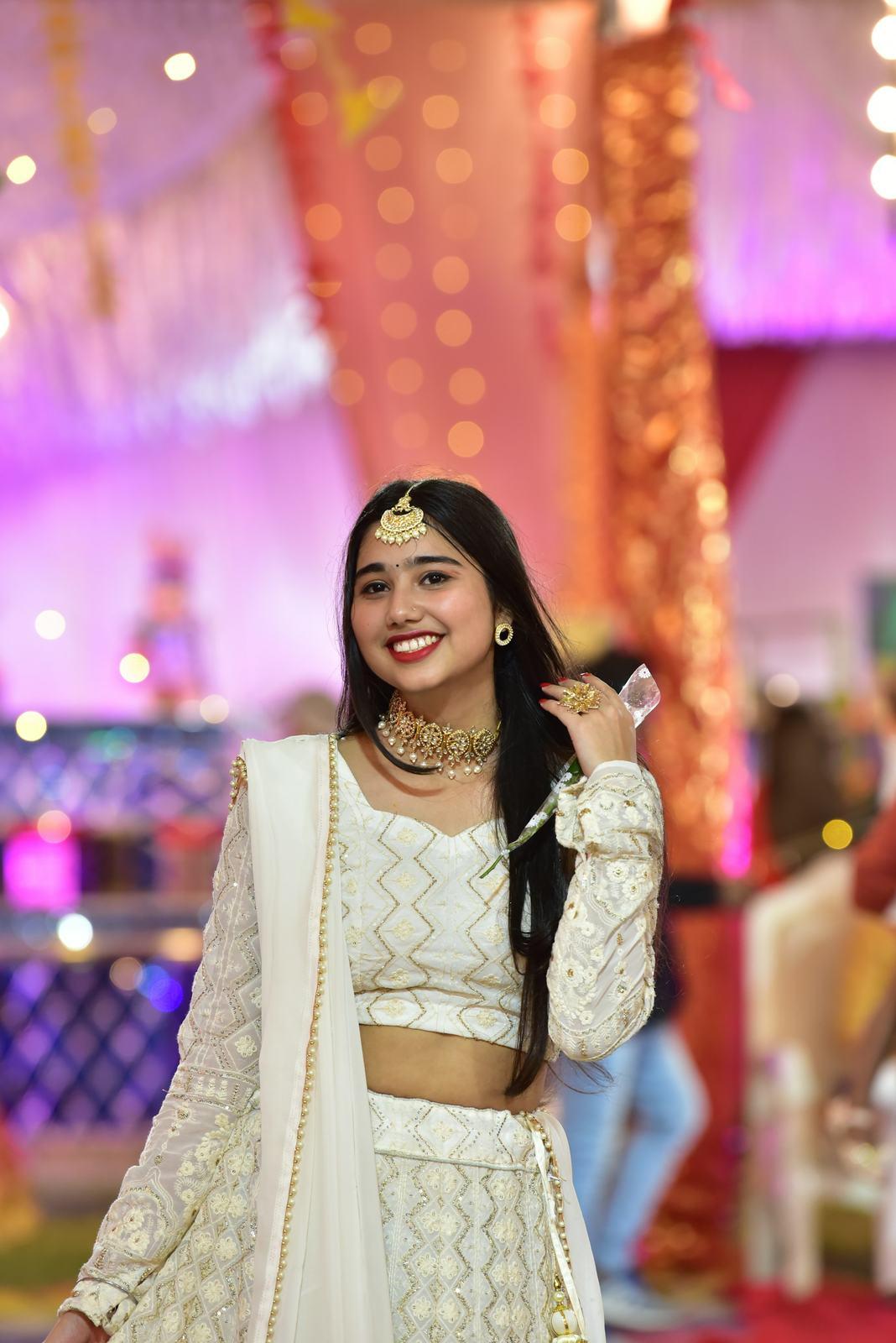
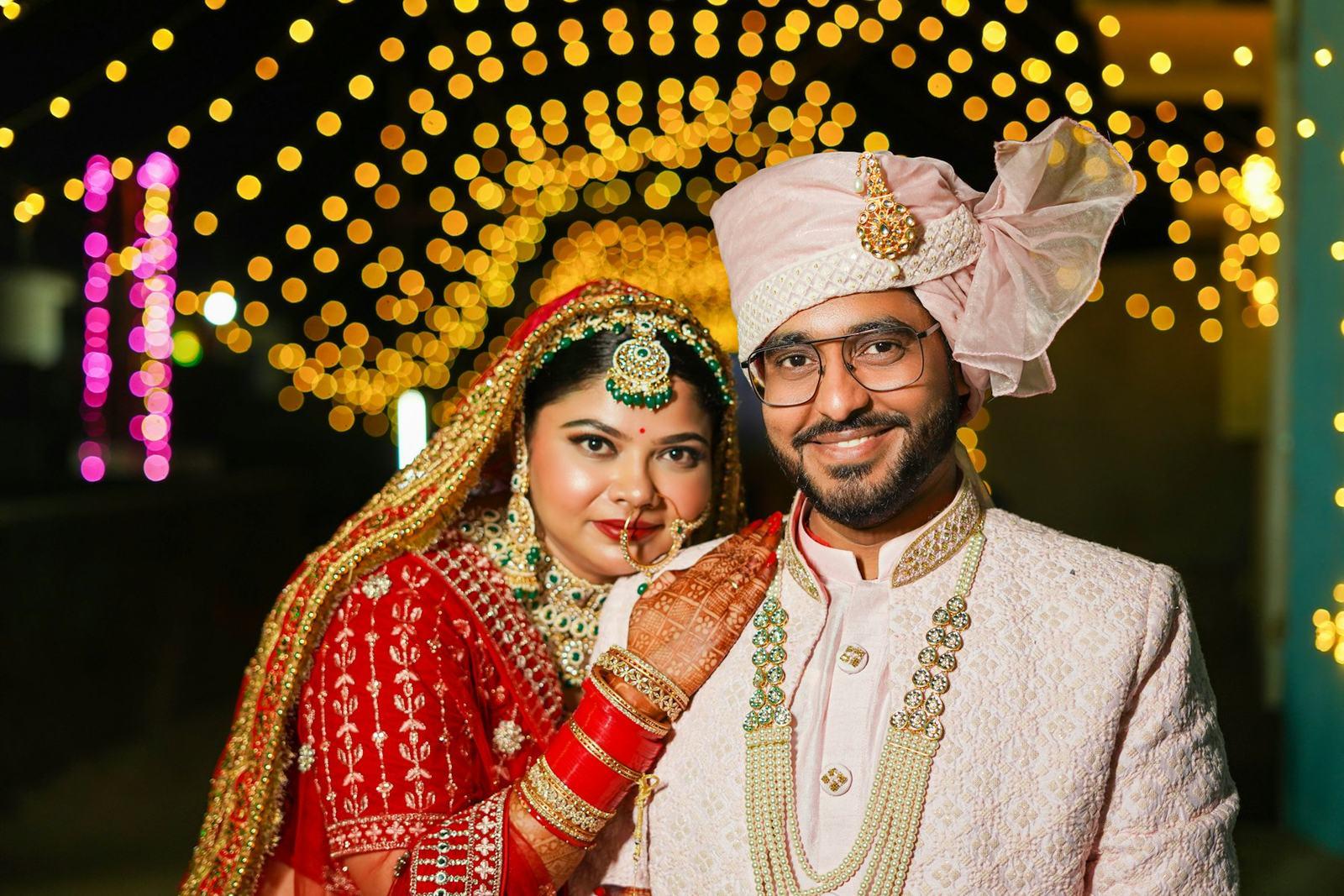
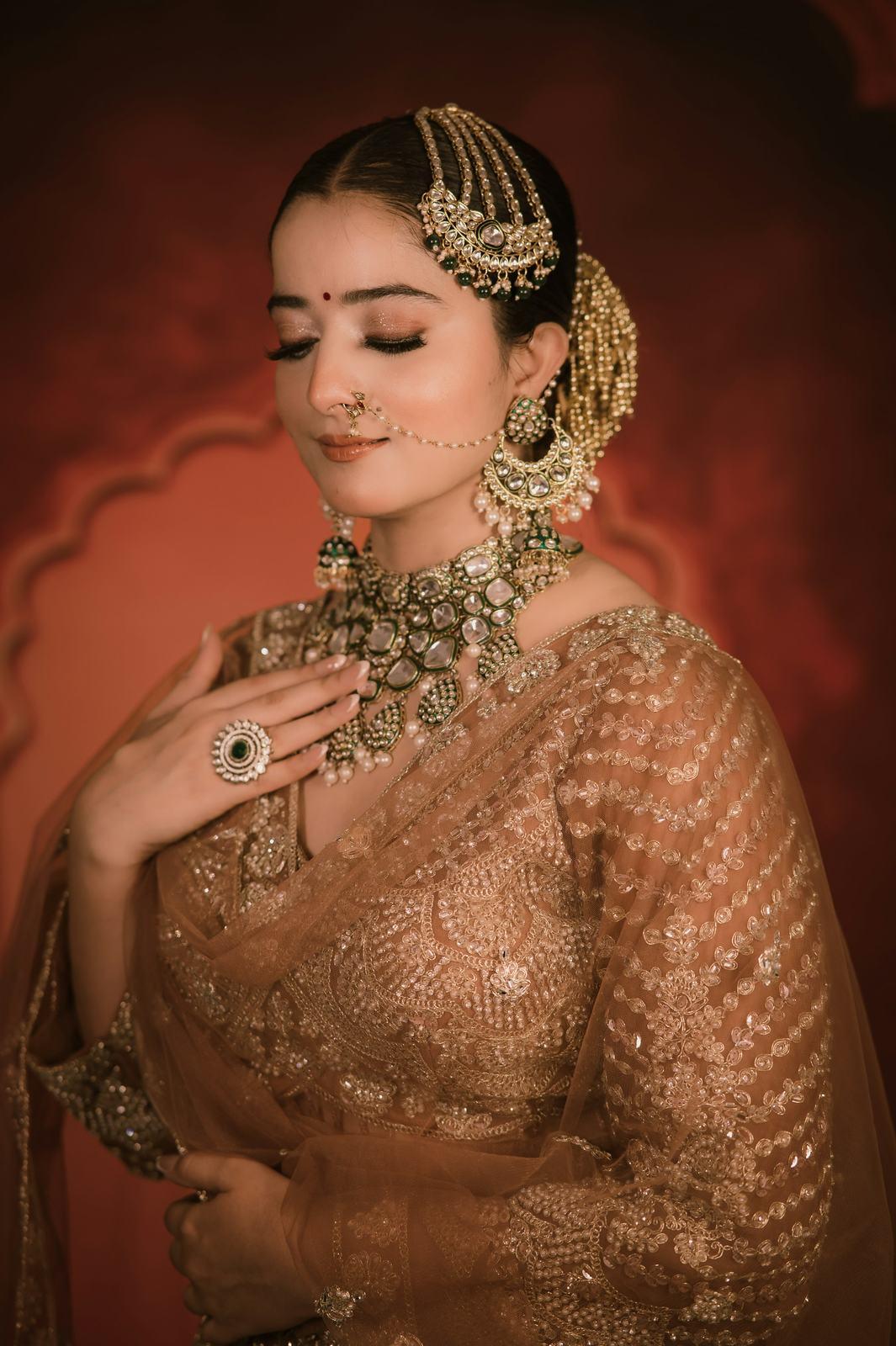
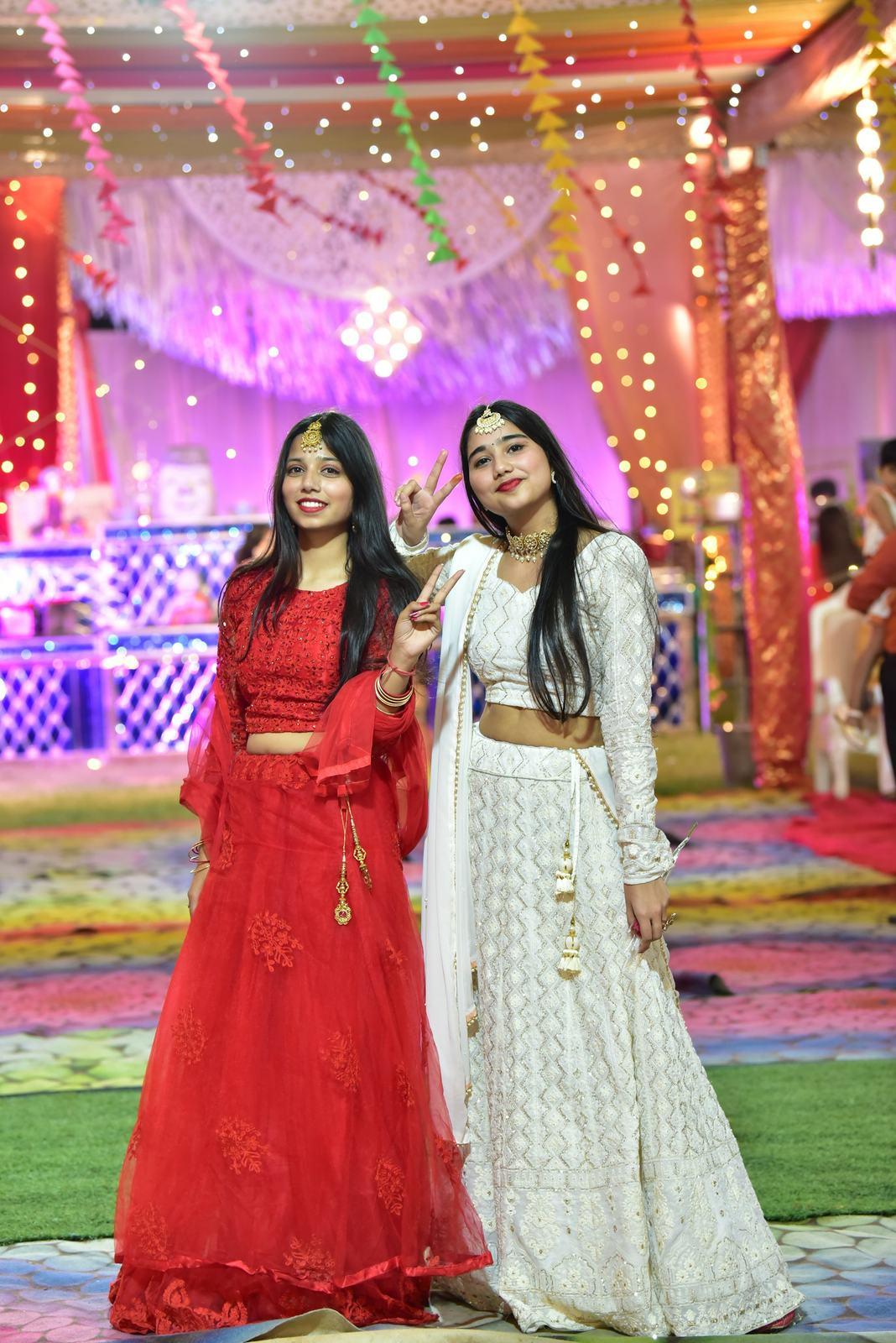
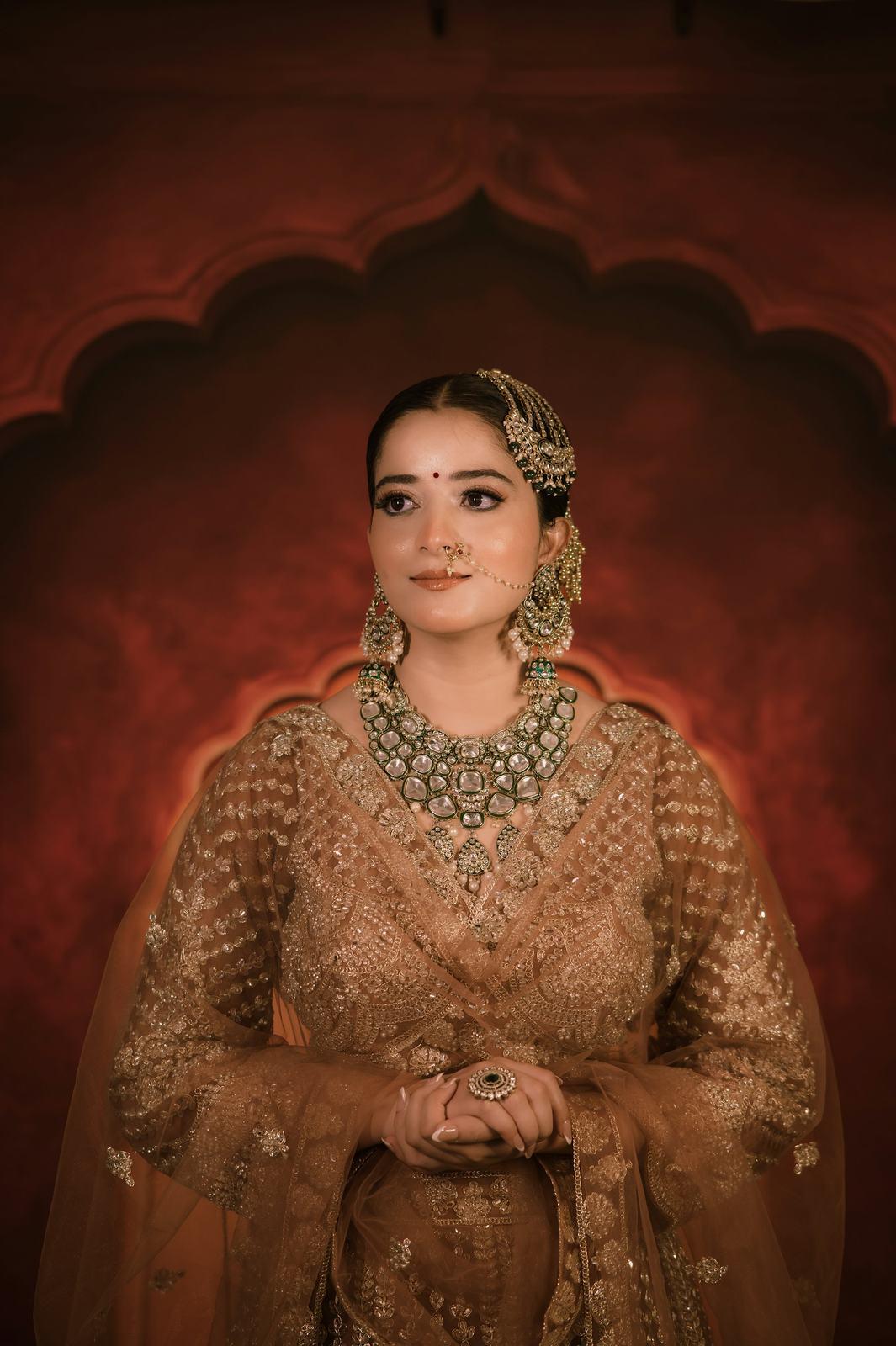
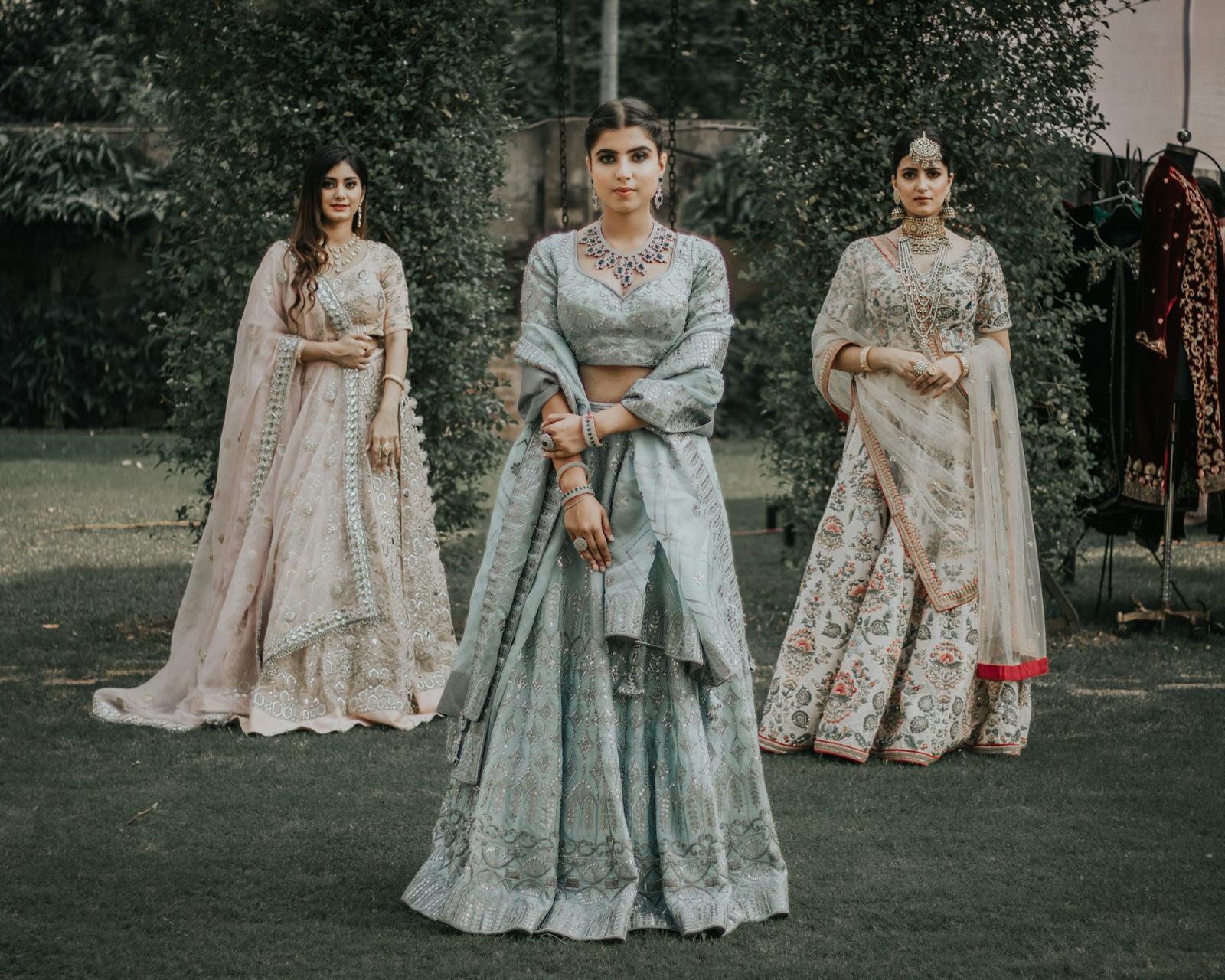
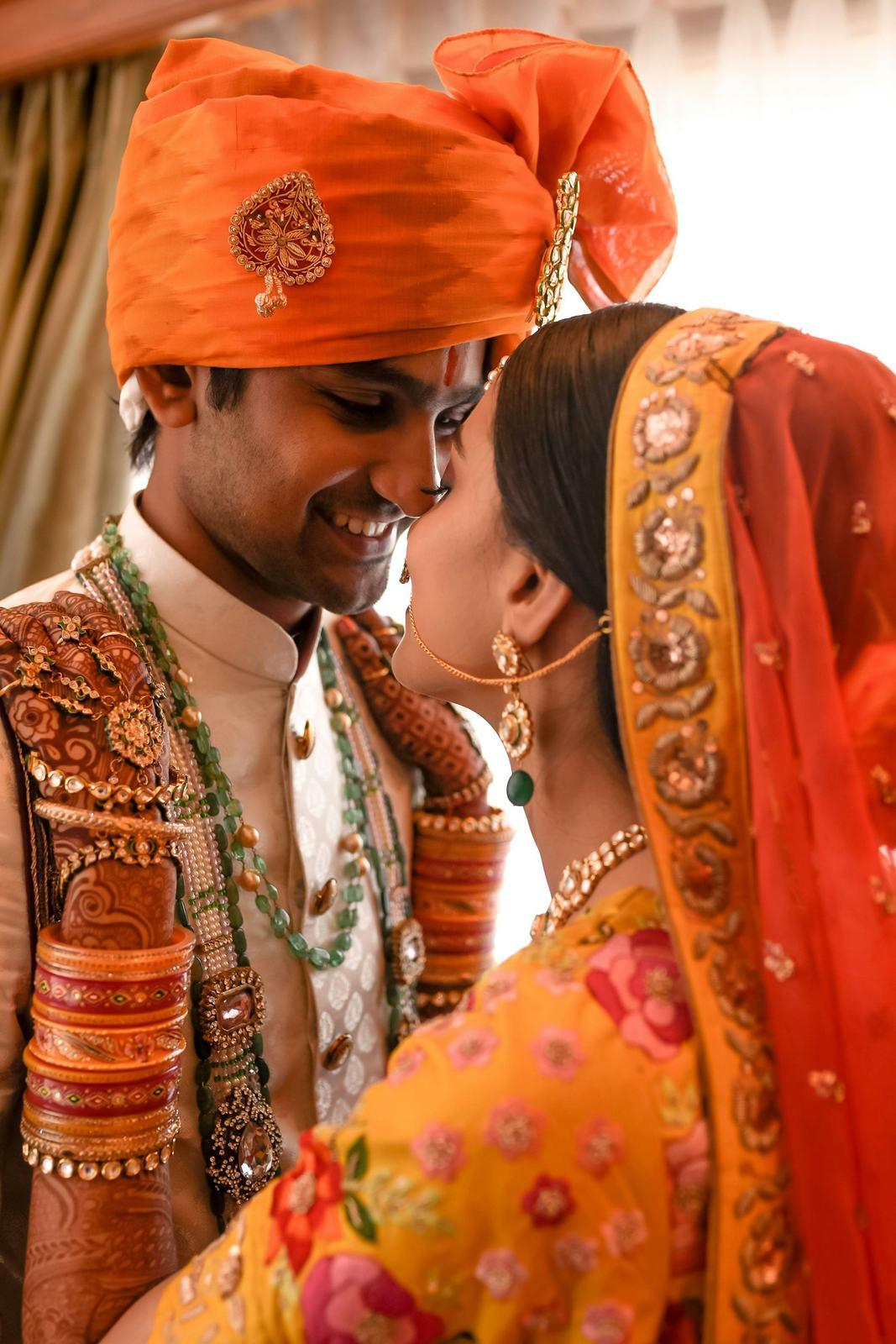
24 of 25,412 photos from a five-day wedding. Pick a guest to search for.
What helps on the night
The good news is that the habits that make better sangeet photos also make better matches. If you do these, almost every guest finds themselves:
- Prioritise sharp faces over dramatic light. You were going to cull blurry faces anyway.
- Get the lighting vendor on your side. Warm white light during key moments helps both the photo and the match.
- Shoot people at the entry or the photo booth, where light is decent and faces are clear. Every guest gets at least one strong frame.
- Don’t over-grade skin. Heavy colour grading for mood is fine. Turning faces fully magenta in post makes them harder to match.
Once the wedding is done, upload the sangeet as its own folder, click Find faces, and share the guest link. Guests take a selfie in normal light and see their sangeet photos along with everything else, usually about a second after the selfie.
If you want to understand the matching in more depth, I wrote about it in how face recognition photo sharing works.